

Budget 2026: what it means for drivers and car buyers
The 28 October Budget kept the 5p fuel duty cut until July 2027, set next April's car tax rates and confirmed plans for pay-per-mile on electric cars from 2028. Here's what changes, when, and what it means if you're buying a car soon.
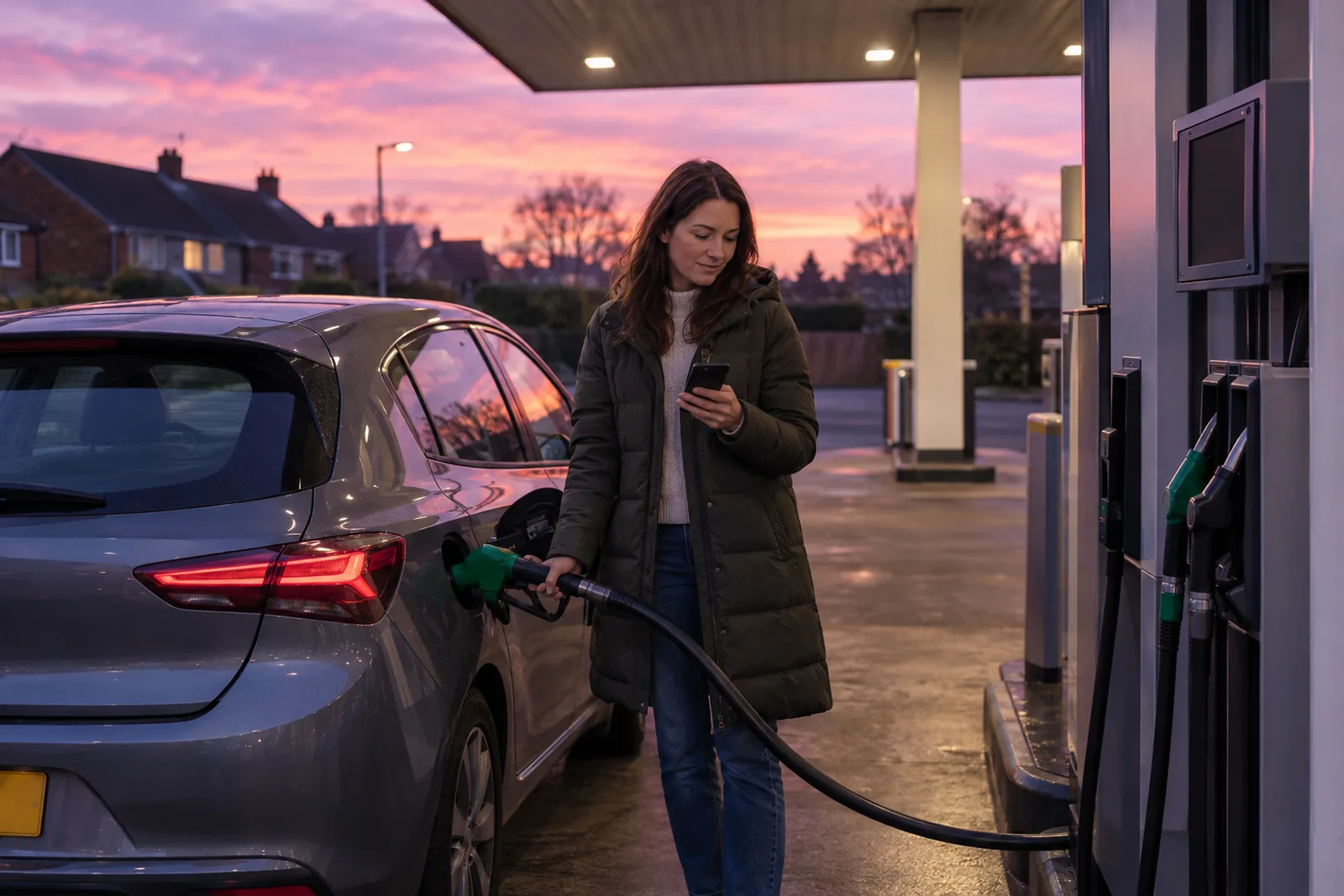
The Chancellor delivered Budget 2026 on 28 October. For motorists, the headlines are simple: the 5p cut in fuel duty stays until 1 July 2027, car tax goes up with inflation from 1 April 2027, and the government confirmed its plan to charge electric and plug-in hybrid cars by the mile from April 2028. There's also £100 million to bring down the cost of some public chargers. The Electric Car Grant didn't change.
Below: each change in plain English, a timeline, worked examples and a checklist for buying in the next few months. Every figure was checked against the Budget documents on GOV.UK on 3 November 2026.
Budget 2026 for motorists at a glance
- Fuel duty: the 5p cut and freeze run to 1 July 2027.
- Car tax (VED): the standard rate goes from £200 to £210 a year on 1 April 2027.
- Pre-April 2017 cars in bands A and B, electric cars included, stay at £20.
- Pay-per-mile (eVED): 3p a mile for electric cars and 1.5p for plug-in hybrids from April 2028, not yet law.
- Charging: £100 million from spring 2027 for cheaper local public chargers.
- Business mileage: the 55p tax-free rate is permanent, and the rate above 10,000 miles rises to 35p from April 2027.
- Electric Car Grant: no change.
Fuel duty: the 5p cut lasts until July 2027
The temporary 5p-a-litre fuel duty cut dates from March 2022 and was due to end with 2026. At this Budget the government said it is cancelling plans to add 5p back onto fuel duty from January 2027 and extending the cut by six months to 1 July 2027. The usual inflation (RPI) rise is put off to the same date.
The Treasury points to high fuel prices, with diesel above £2 a litre in October 2026. It says fuel duty is as low as it has been at any point in over 16 years, and expects its fuel duty decisions in this Parliament to have saved the average car driver £230 compared with the previous government's plans.
What happens on 1 July 2027
The Overview of tax legislation and rates says that on 1 July 2027 fuel duty returns to its level before the cut and rises with RPI. The rates table in Annex A puts numbers on it: the main rate for petrol and diesel is 52.95p a litre until 30 June 2027 and 60.59p from 1 July 2027. The government says it will keep fuel prices under review, so this could still change.
Car tax (VED) from 1 April 2027
Vehicle excise duty for cars, vans and motorcycles will rise in line with RPI from 1 April 2027, through the Finance Bill 2026-27. The new rates are listed in OOTLAR Annex A. For most drivers, what matters is when the car was first registered:
- First registered on or after 1 April 2017: the standard rate rises from £200 to £210 a year. The expensive car supplement of £440 a year still applies in years two to six to petrol, diesel and hybrid cars with a list price over £40,000, and zero emission cars over £50,000.
- Brand-new cars: the first-year rate, which depends on CO2, rises in most bands. A car emitting 111 to 130g/km goes from £455 to £475, and one at 131 to 150g/km from £560 to £585. Zero emission cars stay at £10.
- First registered between 1 March 2001 and 31 March 2017: these are taxed on CO2 bands. Bands A and B (up to 110g/km), which include electric cars of that age, stay at £20, and band C stays at £35. Higher bands rise: band D from £170 to £180, band E from £200 to £210, band G from £275 to £290 and the top band, M, from £790 to £825.
New rates apply to tax you take out or renew from 1 April 2027. Not sure of your car's band? DVLA's free vehicle enquiry service shows the current tax rate and first registration date from the number plate, and the GOV.UK rate tables explain the bands.
Pay-per-mile for electric and plug-in hybrid cars from 2028
Electric Vehicle Excise Duty, or eVED, was announced at Budget 2025. Budget 2026 confirmed the government will legislate for it in the Finance Bill 2026-27, to start on 1 April 2028. According to HMRC's tax information and impact note, as proposed:
- It applies to electric, plug-in hybrid and hydrogen cars registered in the UK.
- The rate is 3p a mile for electric and hydrogen cars and 1.5p a mile for plug-in hybrids, rising with CPI inflation from 2029-30.
- You pay it alongside your normal road tax, not instead of it. When you renew, you give an odometer reading and estimate your miles for the year ahead.
- You can pay upfront or spread the cost, and a mileage reading at the end of the year triggers a reconciliation. MOT mileage records are used as a check.
The Budget document added a mileage estimation tool at launch, an opt-in 'eVED Connect' service that reads mileage from the car itself, and automated refunds by 2030, including when you overestimate or sell the car.
Legislation in progress
eVED is going through Parliament in the Finance Bill 2026-27. At the time of writing (November 2026) it is not yet law, and the rates and rules could change before April 2028.
If you're looking at a used electric car, our guide to electric car road tax explains what eVED means for older EVs and for prepaid miles when a car changes hands.
Cheaper public charging, and VAT on electricity
From spring 2027, the government will spend £100 million over two years to cut prices at lower-powered public chargers near people's homes: the kind on residential streets where you leave a car overnight. The government expects the average EV driver without home charging who charges on-street to save around £150 a year. A taskforce will also look at letting drivers use their home electricity tariff at some public chargers.
Two VAT points matter too. The Finance Bill will confirm that public chargers are charged at the standard rate of VAT, from 1 November 2026. Meanwhile, the temporary 0% VAT rate on household electricity is extended until 30 June 2027, which helps anyone charging at home on their household supply.
No driveway? Since 21 October 2026 you no longer need planning permission for a cross-pavement charger, where the cable runs under the pavement from your home to your car. The government says that saves up to £300 on installation.
The Electric Car Grant: no change
The Budget didn't change the Electric Car Grant. The government restated that the grant has helped over 190,000 drivers save up to £3,750 on a new electric car. On GOV.UK's grant page, Band 1 cars get up to £3,750 off and Band 2 cars up to £1,500. You don't apply: the seller takes it off the price. It's for new cars only, so a used car can't get it, and the list of eligible models changes, so check it on the day you buy.
Motability, company cars and business mileage
Motability
The Budget document lists Motability among reforms the government has already made: tax breaks restricted to save over £1 billion over five years, and Motability Operations removing luxury vehicles from the scheme. These aren't new measures. If you lease through the scheme, ask Motability Operations what applies to your next car.
Company car tax
Benefit-in-kind rates for 2030-31 are now set, 1 percentage point higher than 2029-30 in every band: zero emission cars go from 9% to 10%. From 6 April 2027 employers must payroll company car and fuel benefits, and the car fuel benefit multiplier will be £30,200 for 2027-28, according to the Overview of tax legislation and rates.
Driving your own car for work
If you use your own car or van for work, the tax-free mileage rate of 55p a mile for the first 10,000 business miles, brought in temporarily earlier this year, is now permanent. From 6 April 2027, the rate above 10,000 miles goes up from 25p to 35p. That covers employees and the self-employed.
The ZEV mandate
The consultation on the zero emission vehicle (ZEV) mandate, which sets how many new cars makers must sell as zero emission, closed on 23 October. The government aims to publish its response by the end of 2026, with any changes taking effect from 2027. Until then, reports about the 2030 target are speculation.
What changes when: the Budget 2026 timeline
- 28 October 2026: Budget delivered.
- 1 November 2026: the VAT rule confirming public charging is standard-rated takes effect.
- By 31 December 2026: response to the ZEV mandate consultation due.
- 1 January 2027: the planned 5p fuel duty rise does not happen. The cut continues.
- Spring 2027: the £100 million for lower-powered public chargers starts.
- 1 April 2027: car tax rises with RPI. Standard rate £210, higher first-year rates, the £20 bands unchanged.
- 6 April 2027: business mileage above 10,000 miles goes to 35p, and company car benefits move onto payroll.
- 30 June 2027: last day of the 5p fuel duty cut and of 0% VAT on household electricity.
- 1 July 2027: fuel duty set to rise from 52.95p to 60.59p a litre, unless the government changes course.
- 1 April 2028: eVED pay-per-mile starts, if Parliament passes it.
- 2029-30: eVED rates start rising with CPI.
- By 2030: automated eVED refunds, including when you sell.
- 2030-31: company car tax rates rise by 1 percentage point.
Worked examples: the Budget in pounds
These use the Budget's tax figures only. Your own costs depend on your car and mileage.
Renewing tax on a 2019 petrol hatchback
Registered after April 2017 with a list price under £40,000, it pays the standard rate: £200 in 2026-27. Renew from 1 April 2027 and it's £210, so £10 more a year.
A 2015 diesel estate at 125g/km
Taxed on CO2 in band D: £170 now, £180 from April 2027. A 2015 electric car, or a petrol car emitting 110g/km or less, stays at £20 in both years.
Registering a new petrol car before or after 1 April 2027
At 120g/km, the first-year rate is £455 if the car is first registered by 31 March 2027 and £475 from 1 April. That's a £20 difference, then the standard rate from the second year. A new zero emission car pays £10 either way. On tax alone, it isn't worth rushing a purchase.
Duty on a tank of fuel, before and after 1 July 2027
The Treasury uses a 55-litre tank as its example. At 52.95p a litre, the duty on 55 litres is £29.12. At 60.59p it's £33.32: £4.20 more in duty per fill. VAT is added at the pump, but pump prices also move with oil prices and margins, so this is the tax change only, not a price forecast.
Pay-per-mile on an electric car from April 2028
At the proposed 3p a mile, 8,000 miles a year comes to £240 in eVED, on top of normal road tax. At 12,000 miles it's £360. A plug-in hybrid at 1.5p a mile would pay £120 on 8,000 miles.
Buying a car in the next few months
Nothing here is a reason to rush or wait on its own, but it changes what's worth checking.
Petrol or diesel: fuel duty is fixed until 30 June 2027 and then due to rise, so if you're comparing two similar cars, fuel economy counts for more once duty goes up. On a pre-2017 car, check the tax band: the gap between bands is bigger than the April rise.
Electric or plug-in hybrid: if you plan to keep the car past April 2028, allow for eVED based on your own mileage. If you'll rely on public chargers near home, the £100 million from spring 2027 may help, and our guide to buying a used electric car covers battery health, range and charging.
Whatever you buy, road tax doesn't pass to you from the seller: you must tax a vehicle before you drive it, using the new keeper slip from the log book. Our used car checks cover the rest.
Road tax, fuel and eVED sit outside any finance agreement: you pay them yourself, so add them to your budget alongside insurance. Financefinity is a credit broker, not a lender. Browsing cars and quotes doesn't affect your credit file, but a full application means the lender carries out a hard credit search. Finance is subject to status, and approval isn't certain. Our guides to PCP, hire purchase and PCP vs hire purchase explain the options.
Budget 2026 checklist for car buyers
- Look up the car's first registration date and tax rate on DVLA's vehicle enquiry service.
- Registered from April 2017? Budget for £210 a year from 1 April 2027, plus £440 if the expensive car supplement applies.
- Registered before April 2017? Check its CO2 band: bands A and B stay at £20, higher bands rise.
- Petrol or diesel: allow for fuel duty rising on 1 July 2027 as things stand.
- Electric or plug-in hybrid: if you'll keep it past April 2028, work out eVED on your own mileage.
- Buying new and electric: check the current Electric Car Grant list on the day.
- Tax the car before you drive it. Tax doesn't transfer from the seller.
- On any finance quote, compare the total amount payable, not just the regular payment.
Frequently asked questions
Is fuel duty going up in 2027?
Not before July. The 5p cut and the freeze last until 30 June 2027. As things stand, the main rate then rises from 52.95p to 60.59p a litre on 1 July 2027, though the government says it will keep fuel prices under review.
How much is car tax from April 2027?
Cars first registered from 1 April 2017 pay a standard £210 a year, up from £200. Older cars are taxed on CO2: bands A and B stay at £20, and higher bands rise by £10 to £35.
Did the Budget change road tax for electric cars?
Only through the inflation rise. Electric cars registered from April 2017 pay the same standard rate as other cars, so £210 from April 2027. Electric cars registered before April 2017 stay at £20. The bigger change is eVED from 2028.
When does pay-per-mile for electric cars start?
The plan is 1 April 2028, at 3p a mile for electric cars and 1.5p for plug-in hybrids, paid alongside road tax. It's in the Finance Bill 2026-27 and isn't law yet.
Is there a new tax on heavier cars or SUVs?
We found no weight-based car tax in the Budget document or the overview of tax measures. There was speculation before the Budget, but it wasn't announced.
Does the Budget change car finance?
No. It changes taxes you pay as a driver, not how car finance works. Finance is still subject to status, and tax, fuel and charging costs sit outside your agreement.